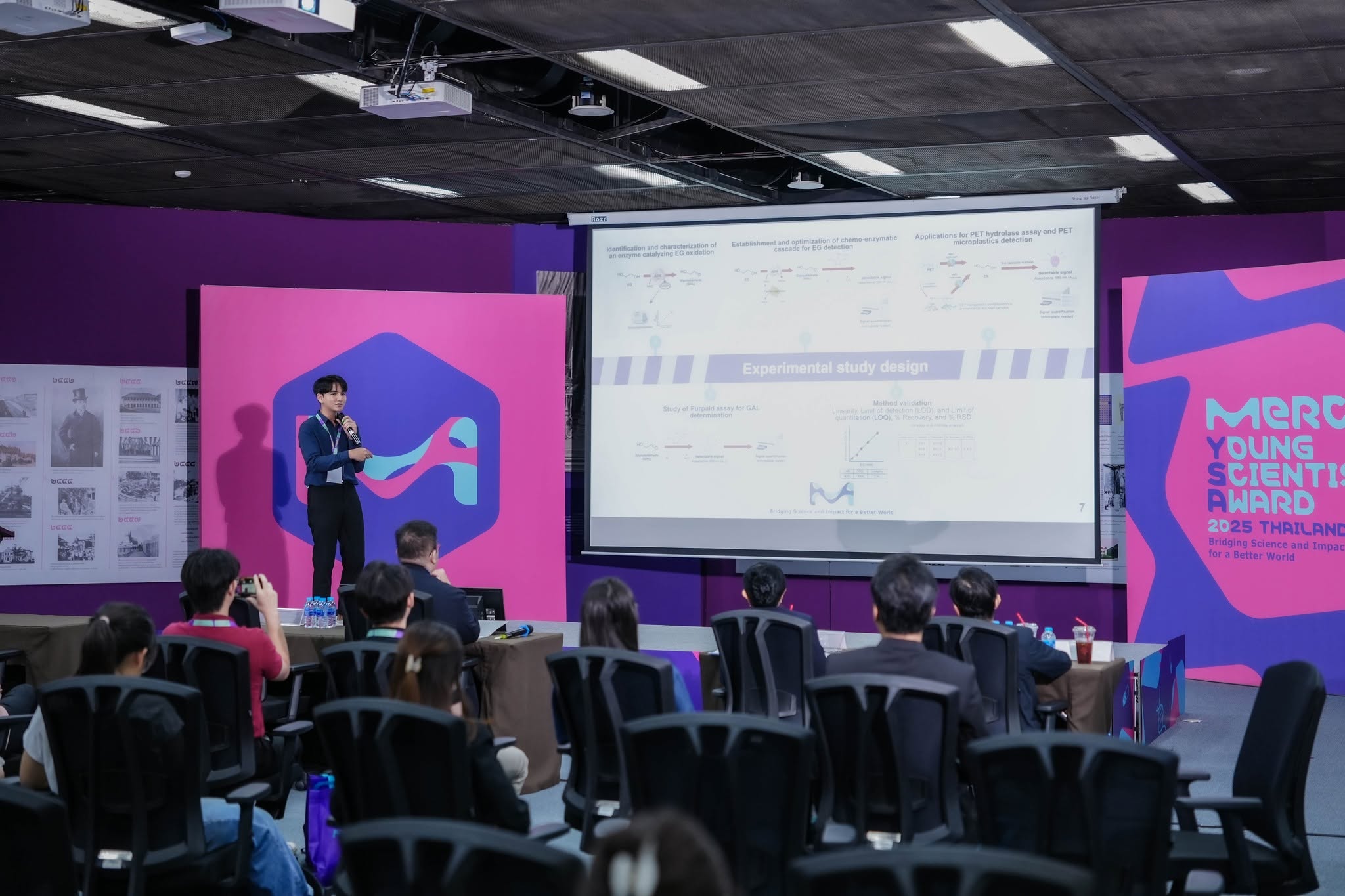
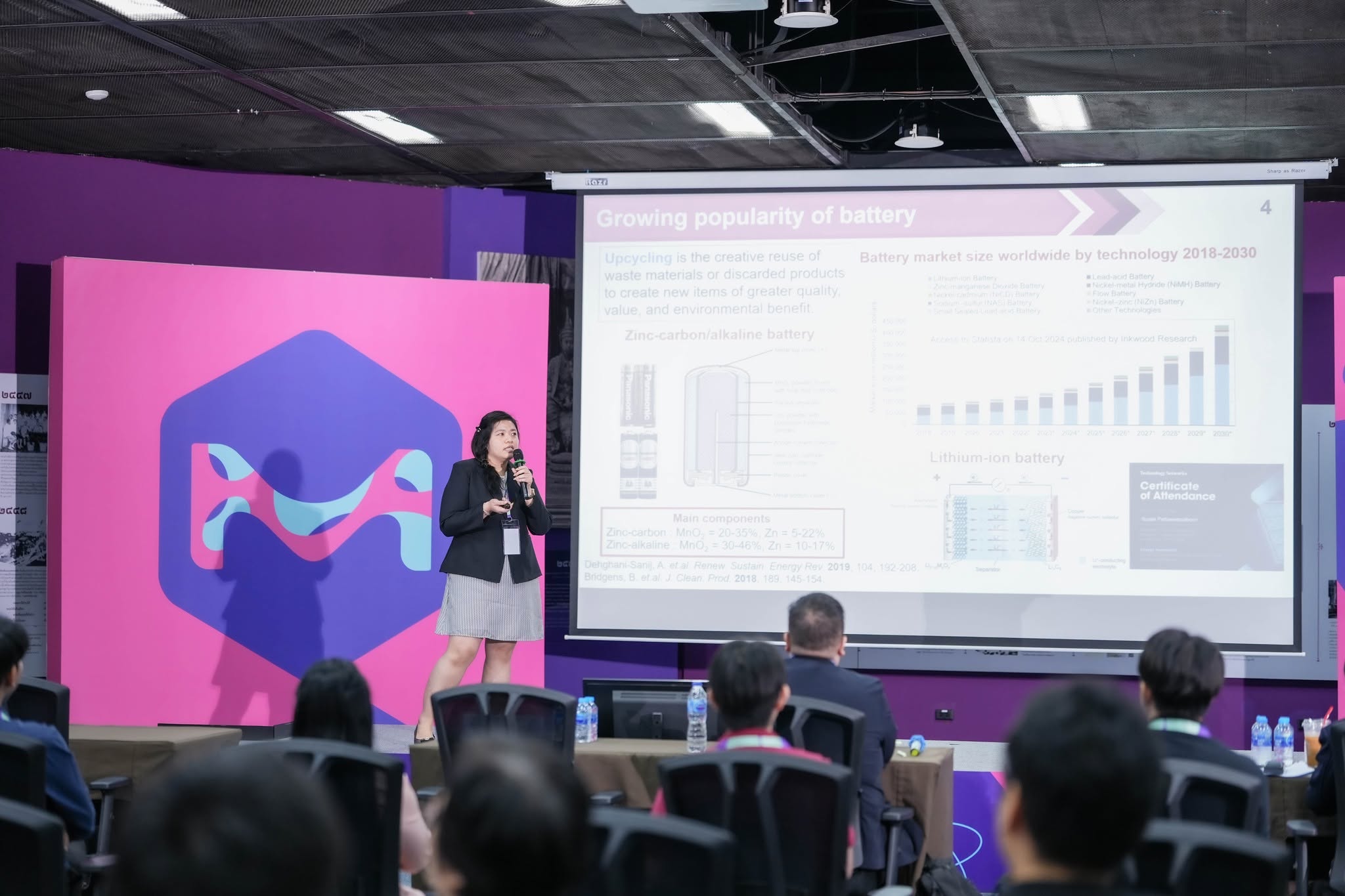
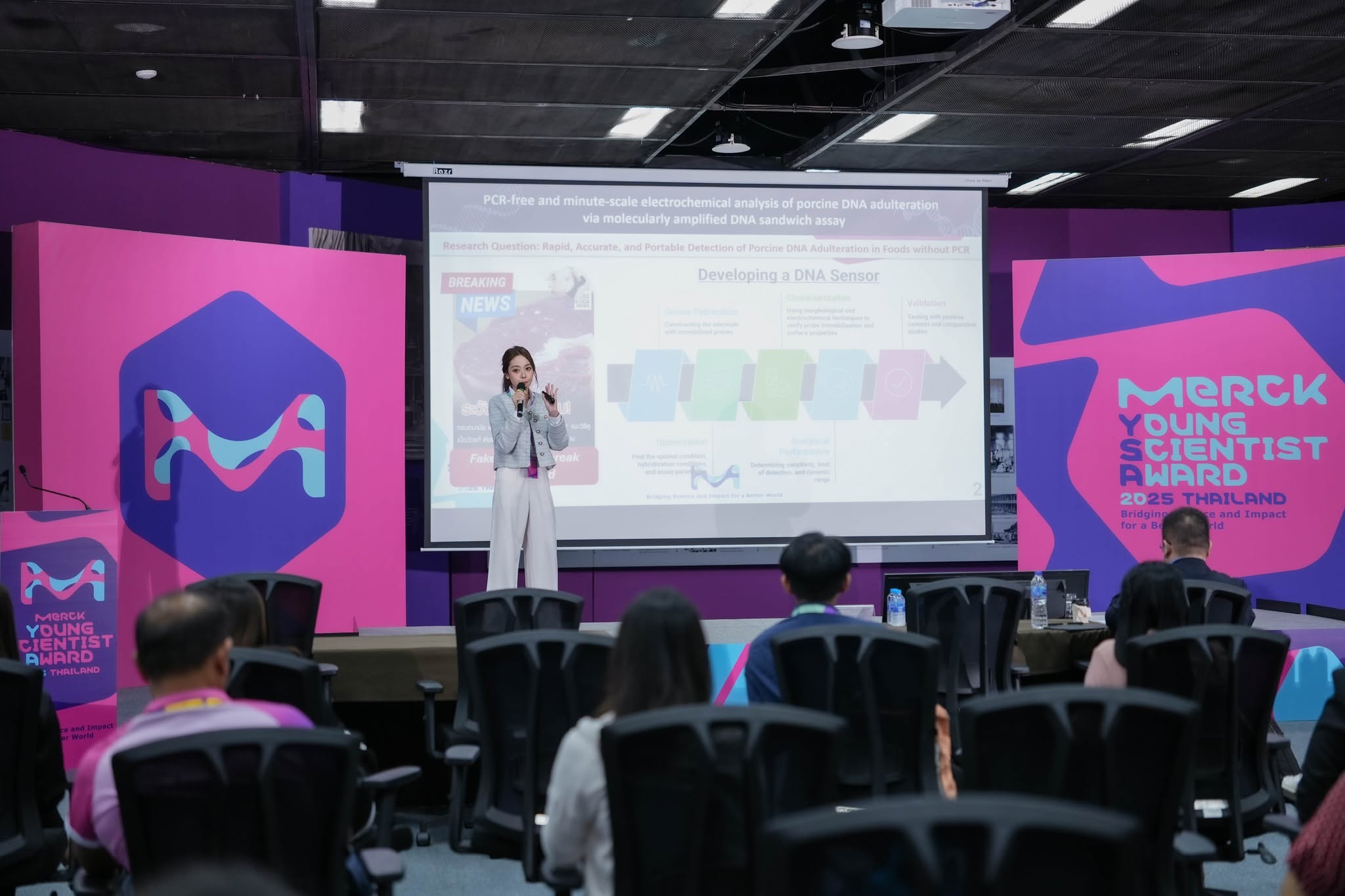
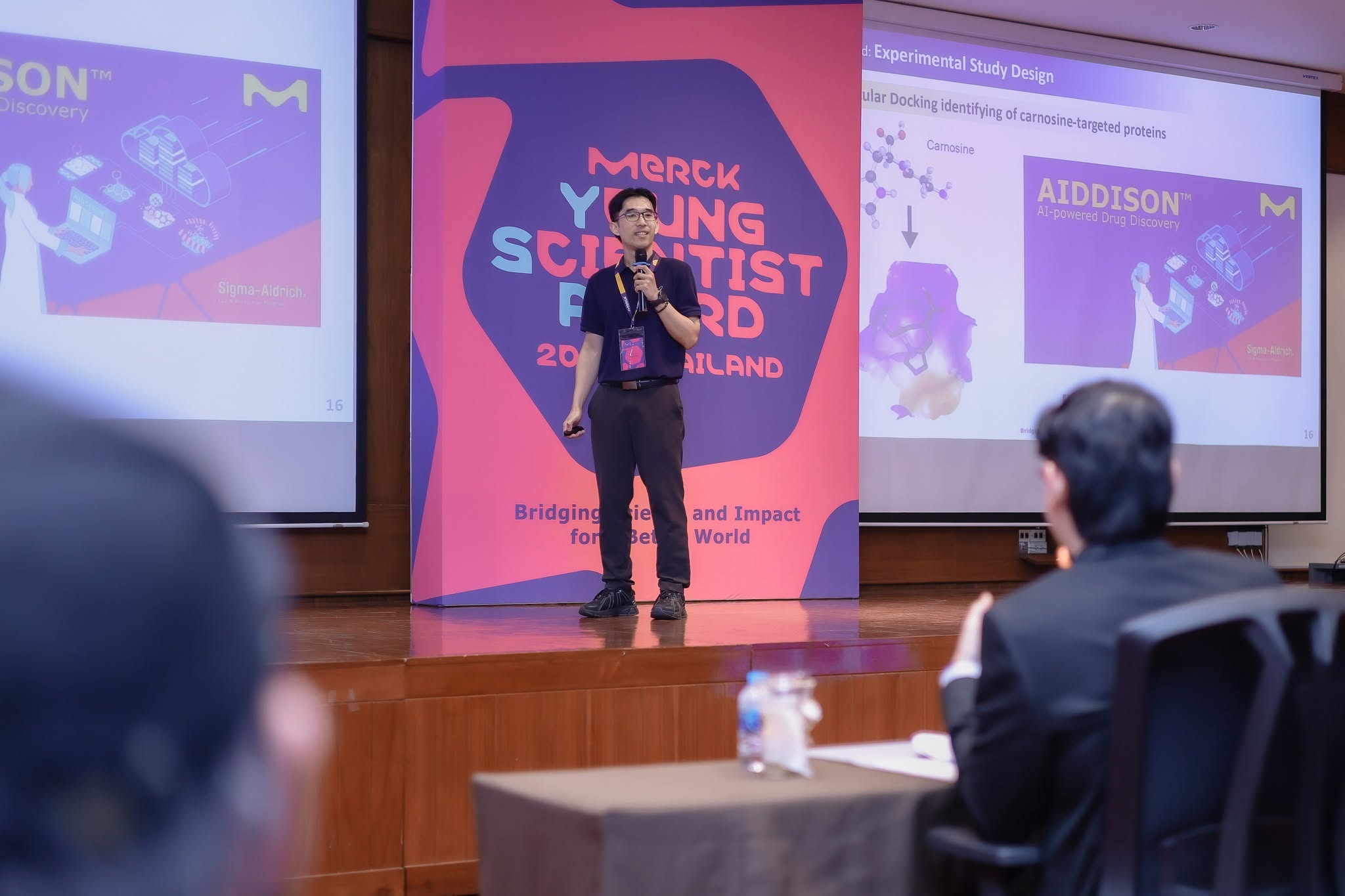
The Merck Young Scientist Award is a competition that recognizes, encourages and empowers promising early-career researchers and postgraduate scientists. In 2027 it joins PACCON2027 and the Thailand Youth Chemistry Network (TYCN) to focus on chemistry innovation and advanced research.
TYCN professor committees
Drive content and scientific excellence.
PACCON2027 location
The collaborative event takes place at the conference.
PACCON2027 participants
Reach more attendees and encourage participation.
Since 2010
YSA history in Thailand
20101st Young Scientist Award
2013Mahidol University
2015Chulalongkorn University
2018NSTDA, Science Park
2020Bangkok
2023Mahidol University
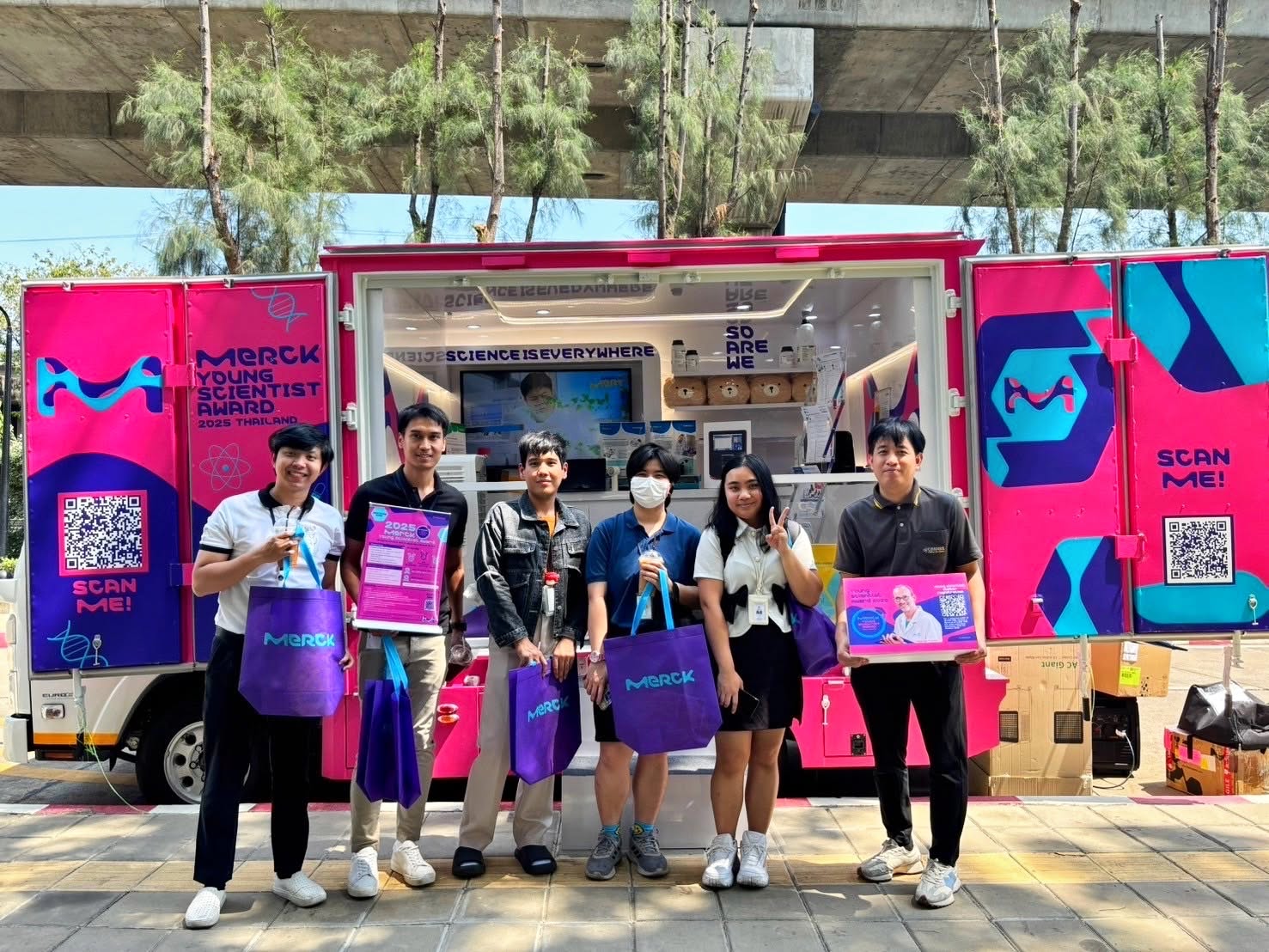
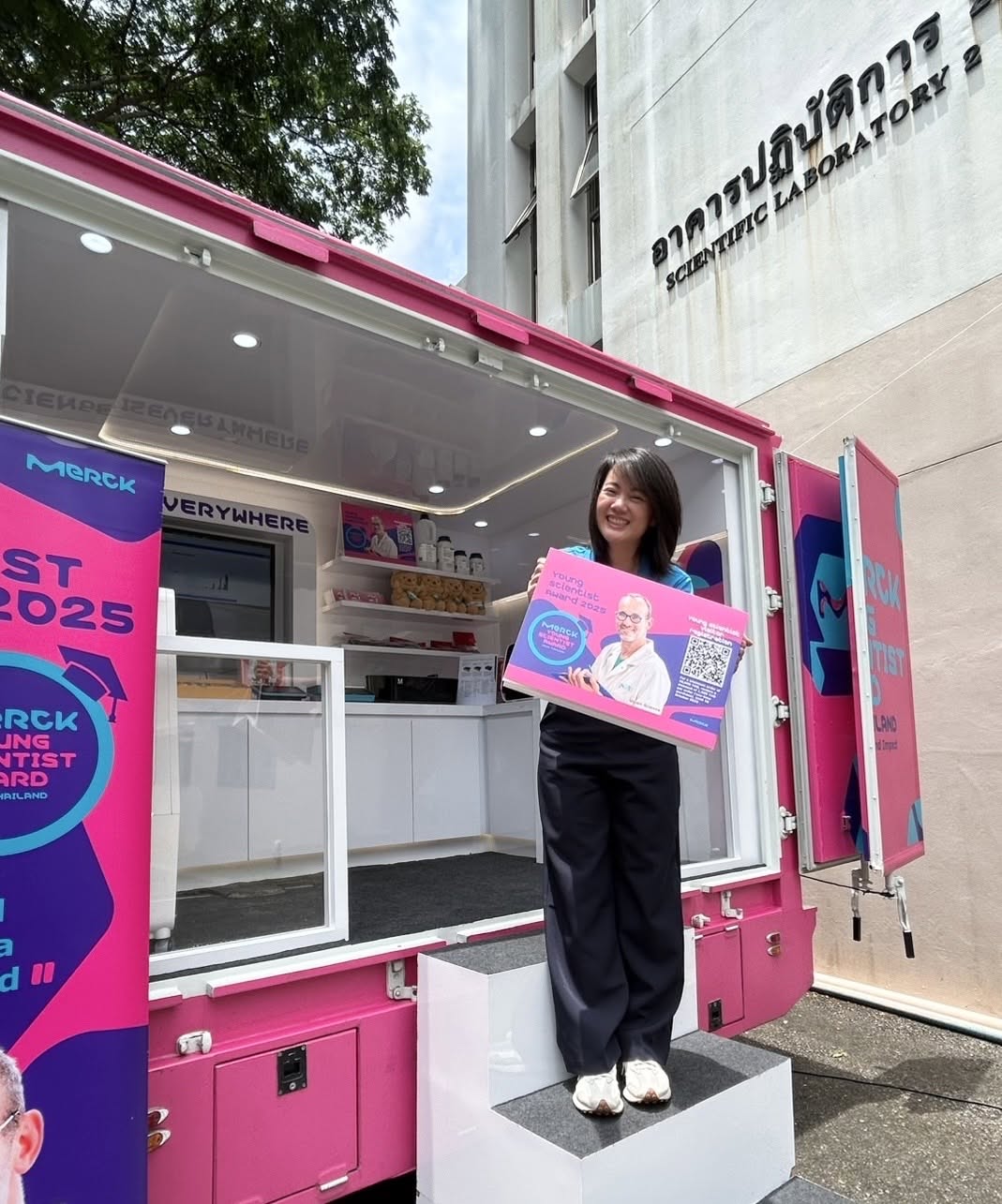
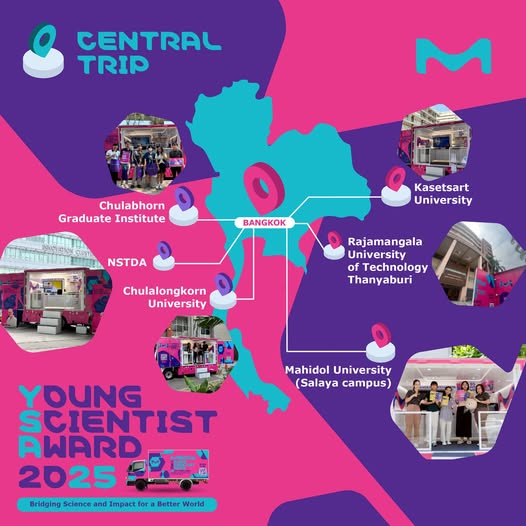
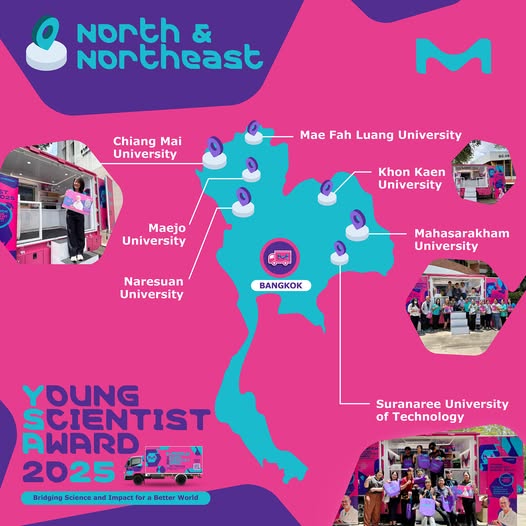
202512-stop truck tour, 100+ proposals
Eligibility
Who can apply
You need to meet both conditions on the application date.
Career stage
Master's student, Doctoral (Ph.D.) student, or postdoctoral researcher who graduated within the past 3 years.
PACCON2027 abstract
Submitted as a poster, oral presentation or proceedings, and officially accepted by the PACCON2027 Organizing Committee.
Activity criteria
Selection process
Merck Thailand and TYCN judge every round.
Round 1
1-page research summary
Submission Period: 1 – 30 November 2026
Send a summary of your PACCON2027-accepted work to Merck Thailand before the deadline. We assess:
Alignment with the theme
Conceptual novelty
Scientific quality
Practical application potential
Research impact
20 finalists, each with a sponsored 1-year CST Ordinary Membership
Round 2
Video pitch, max 5 minutes
Submission Period: 1 – 15 January 2027
Show the core essence, value and impact of your research. We assess:
Content clarity
Communication effectiveness
Creativity
Scientific credibility
Project potential
1 Pitching Award winner (CST Trophy)
Round 3
Flash Talk at PACCON2027
Event Date: 11 February 2027
The remaining 19 finalists give a 3-minute talk and a 2-minute Q&A on site. We assess:
Scientific quality and accuracy
Presentation clarity
Visual and slide design
Answering questions
Research impact
13 award winners
Recognition
What you can gain
20finalists with a 1-year CST Ordinary Membership and program privileges
1Pitching Award winner: CST Trophy and a 5-minute Special Presentation at PACCON2027
13award winners from the on-site Flash Talks
Event in PACCON2027
11 February 2027
Time 13:00 – 17:00
Venue The Circle Building, Centara Life Government Complex Hotel & Convention Centre
Who attends Finalists, committee members and general participants
Schedule
Opening ceremony
Introduction to the Merck Young Scientist Award
Flash Talk guidelines and evaluation criteria
Finalist Flash Talks
Coffee break and committee scoring
Honorary presentation
Award announcement
Group photo and closing ceremony
Timeline
Key stages
1 – 30 Nov 2026Round 1 Submission Period (1-Page Summary)
26 Dec 2026Round 1 Evaluation & Finalist Announcement
1 – 15 Jan 2027Round 2 Submission Period (Video Pitch)
11 Feb 2027Final Event & Flash Talks at PACCON2027
Round 1 template
1-page research summary: example
Use this layout for your Round 1 summary. Aim for one A4 page; a second page is allowed if you need more space. Base it on your accepted PACCON2027 work. The content below is a fictional example. Click any text to edit it, or download the Word template to edit, then upload it with your application.
Merck Young Scientist Award 2027Chemistry Discovery for Longevity and Well-being
Example only. Aim for 1 page (A4); a second page is allowed if needed. Use the same title, keywords and results as your accepted PACCON2027 abstract.
Title: Green-synthesized carbon dots as a fluorescent sensor for oxidative stress markers in aging-related research
Presenter First Name Last Name1, Co-author Name1, Advisor Name1,2
1Department of Chemistry, [University], [City]. 2[Institute], [City]. Corresponding email: presenter@university.ac.th
Keywords
carbon dots; fluorescent sensor; oxidative stress; green synthesis; healthy aging
Background
Oxidative stress is linked to cellular aging and age-related disease. Monitoring markers such as hydrogen peroxide usually needs costly instruments or toxic probes. Carbon dots made from plant waste offer a low-cost, low-toxicity route to optical sensing, but their sensitivity in biological-like media is not well established.
Objectives
Synthesize fluorescent carbon dots from agricultural waste using a one-step hydrothermal method.
Evaluate their sensitivity and selectivity toward hydrogen peroxide.
Test performance in simulated physiological buffer.
Methodology
Dried pomelo peel was heated at 180 °C for 6 h in an autoclave, filtered and dialyzed. Particles were characterized by TEM, FTIR, UV-Vis and fluorescence spectroscopy. Quenching response was measured with 0-200 µM H2O2 in phosphate buffer (pH 7.4), in triplicate, against common interfering ions and biomolecules.
Summary of results or expected results
Spherical particles with an average size of 3.8 ± 0.6 nm.
Quantum yield of 21% with strong blue emission at 450 nm.
Linear response from 5 to 100 µM, with a detection limit of 1.7 µM.
Selective against glucose, ascorbic acid, and metal ions tested.
Figure 1. [Example] Fluorescence response vs. H2O2 concentration
Discussion and conclusion
Quenching likely arises from electron transfer between surface groups and H2O2. Waste-derived carbon dots can therefore serve as simple, low-cost sensors for oxidative stress studies. Next steps are testing in cell culture media and improving stability for long-term storage. This supports chemistry-driven tools for longevity and well-being research.
References
Author A, Author B. Title of paper. Journal Name. 2023;12(3):100-110.
Author C, et al. Title of paper. Journal Name. 2022;45:2001-2010.
Author D, Author E. Title of paper. Journal Name. 2024;8:55-64.
Contributors (max 10) and presenter (max 1)
First name
Last name
Email
Mobile
Primary institution
City
Role
Presenter
Lastname
presenter@univ.ac.th
08x-xxx-xxxx
[University]
Bangkok
Presenter
Co-author
Lastname
coauthor@univ.ac.th
08x-xxx-xxxx
[University]
Bangkok
Contributor
Advisor
Lastname
advisor@univ.ac.th
08x-xxx-xxxx
[University]
Bangkok
Advisor
YSA2027 | Round 1 research summary | Aim for 1 page (A4); 2nd page allowed if neededBased on PACCON2027-accepted work
Round 1 Submission Period: 1 – 30 November 2026
Submit your research summary
All fields are required. Your summary must be one page and based on your accepted PACCON2027 work. See the summary template.
Application form (Google Form)
The form opens in a new tab. Please have your 1-page summary (PDF or Word) and your PACCON2027 abstract acceptance ready to upload.
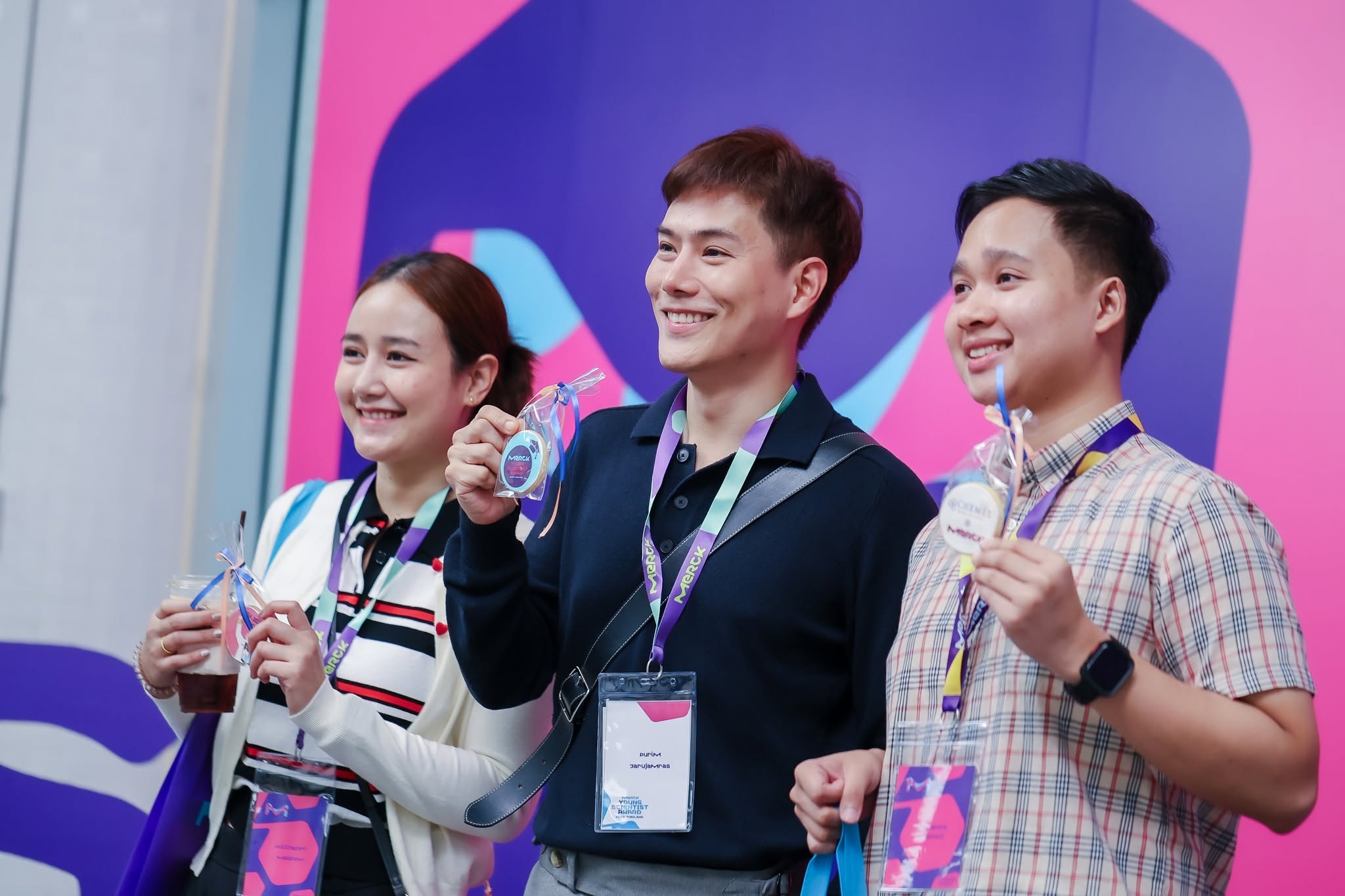
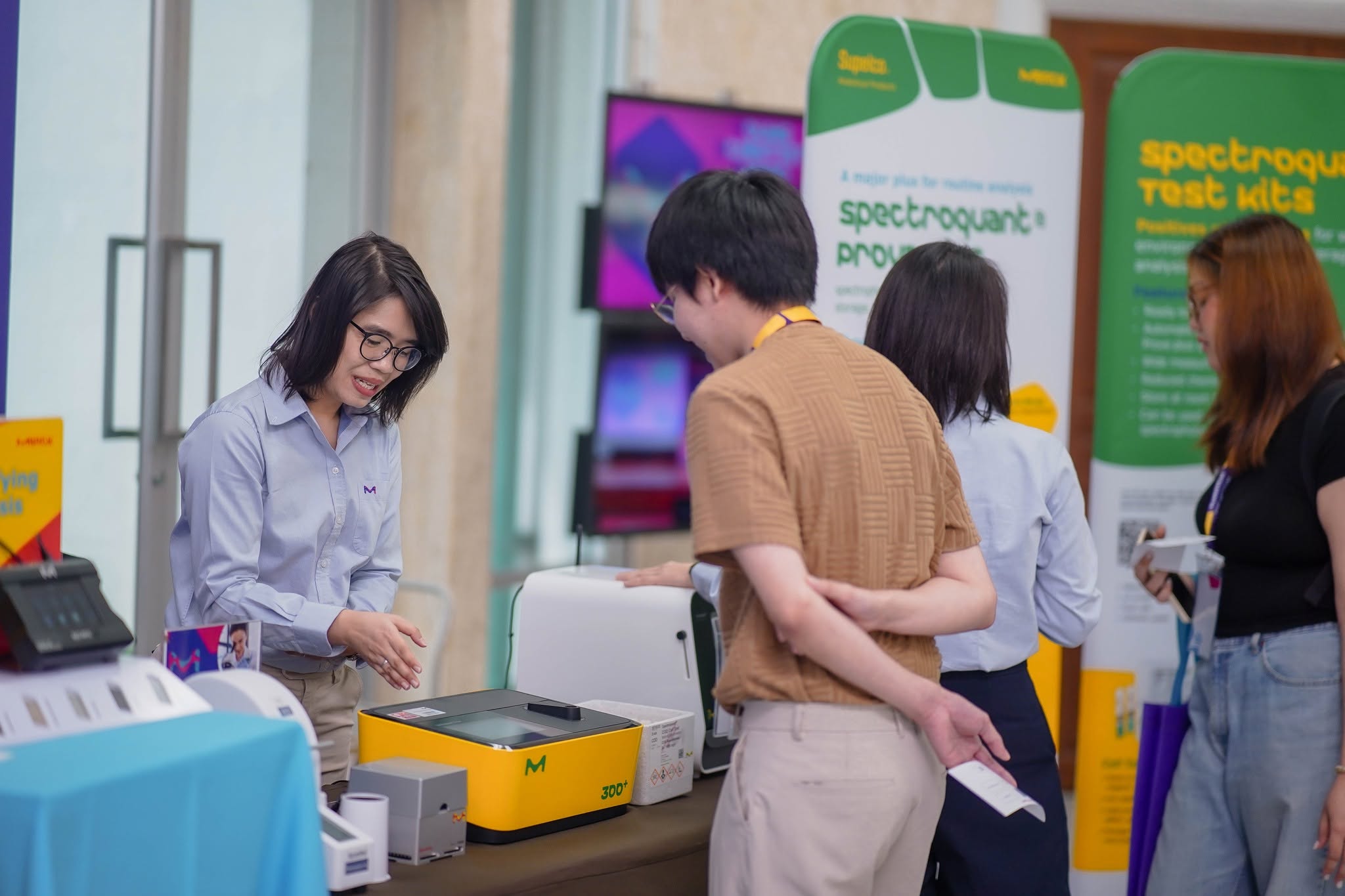
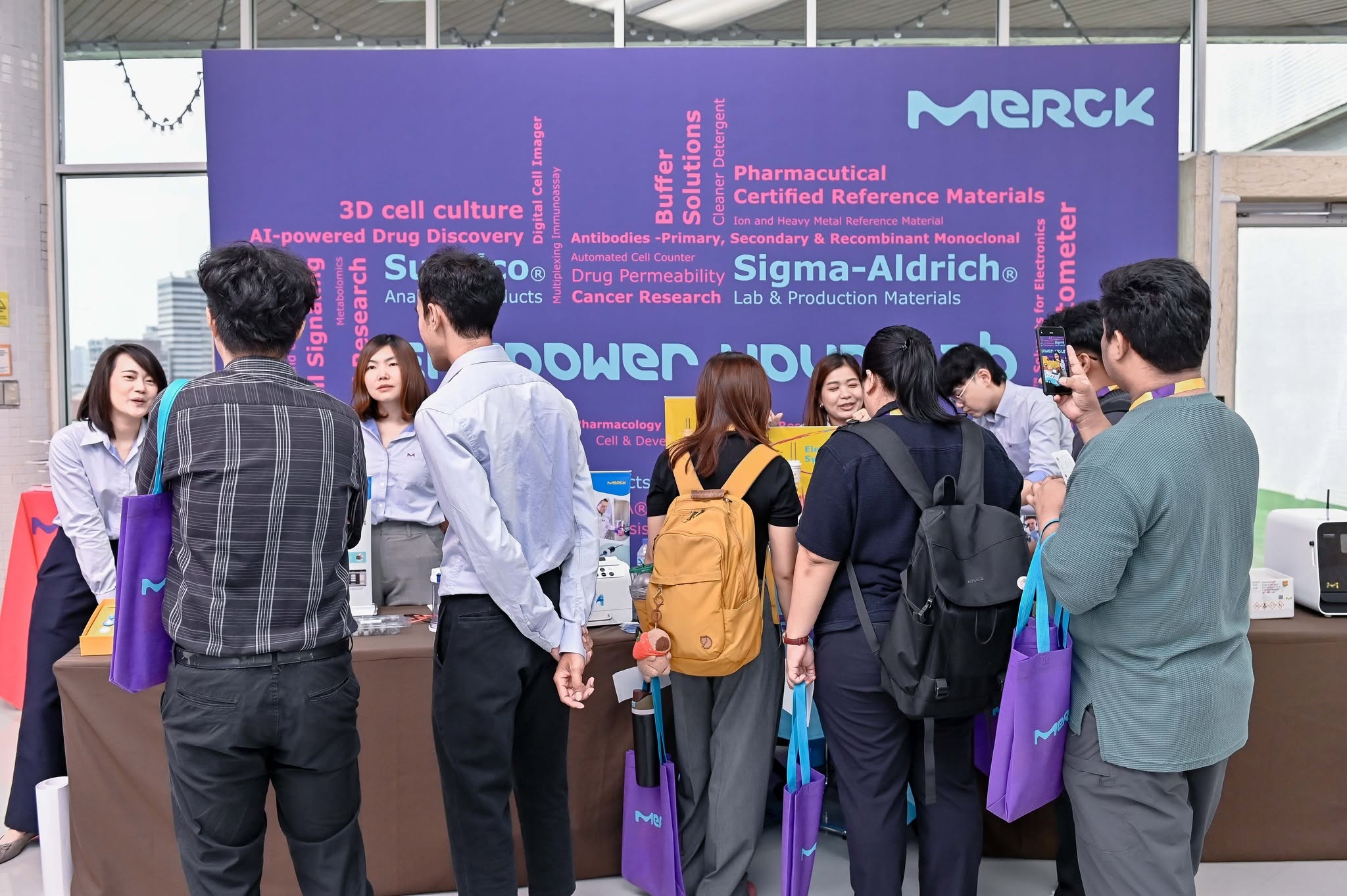
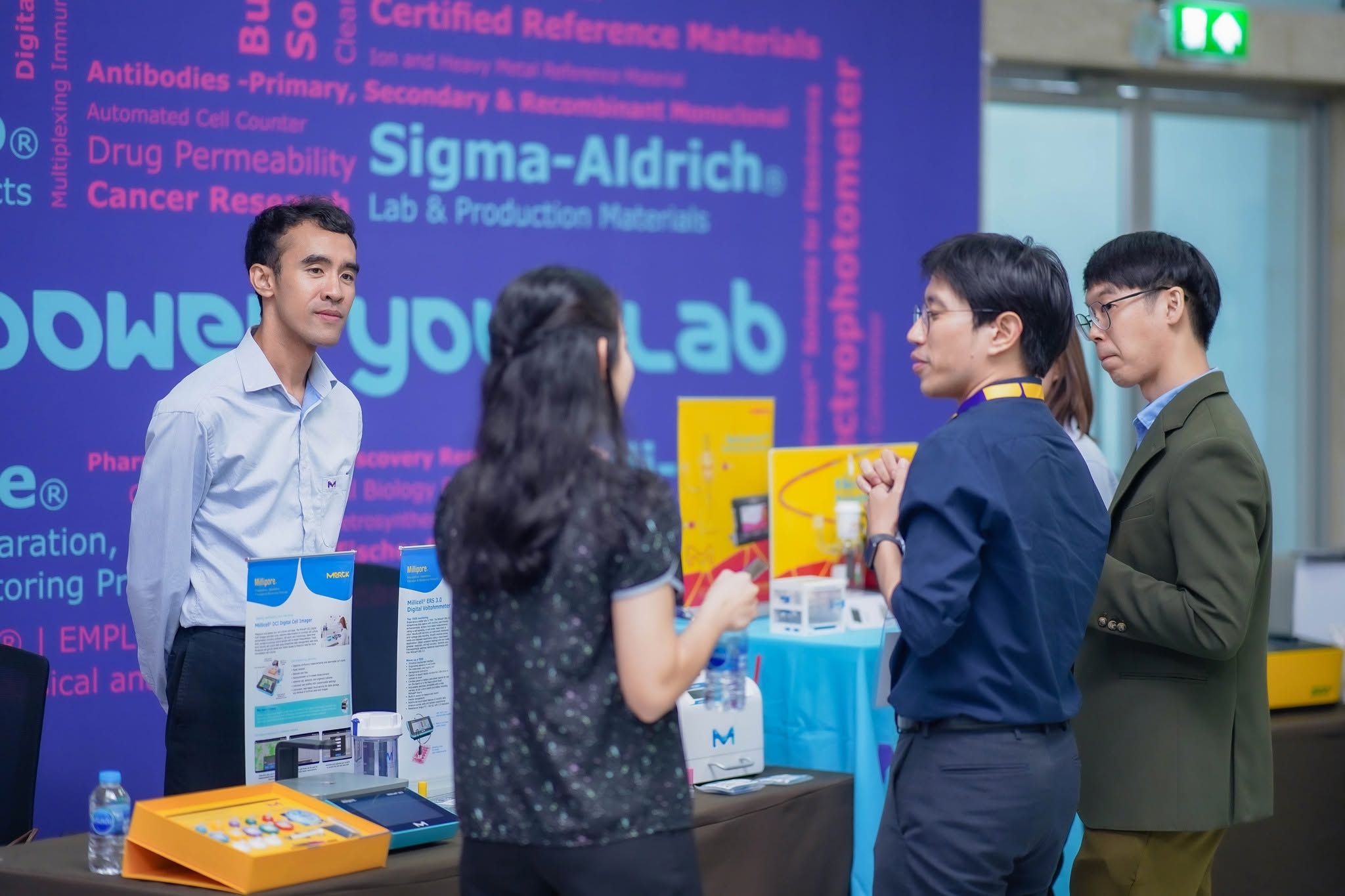
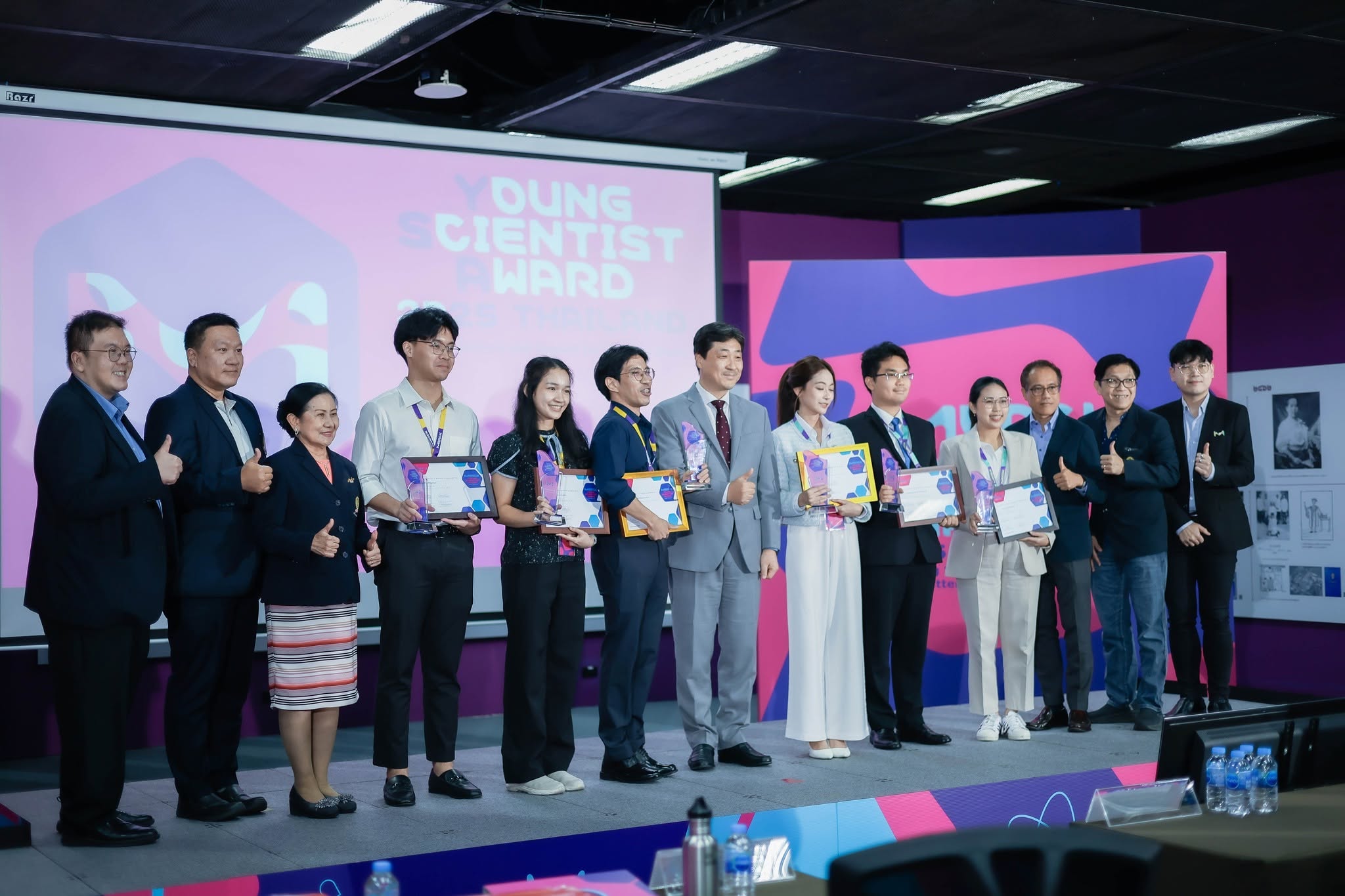
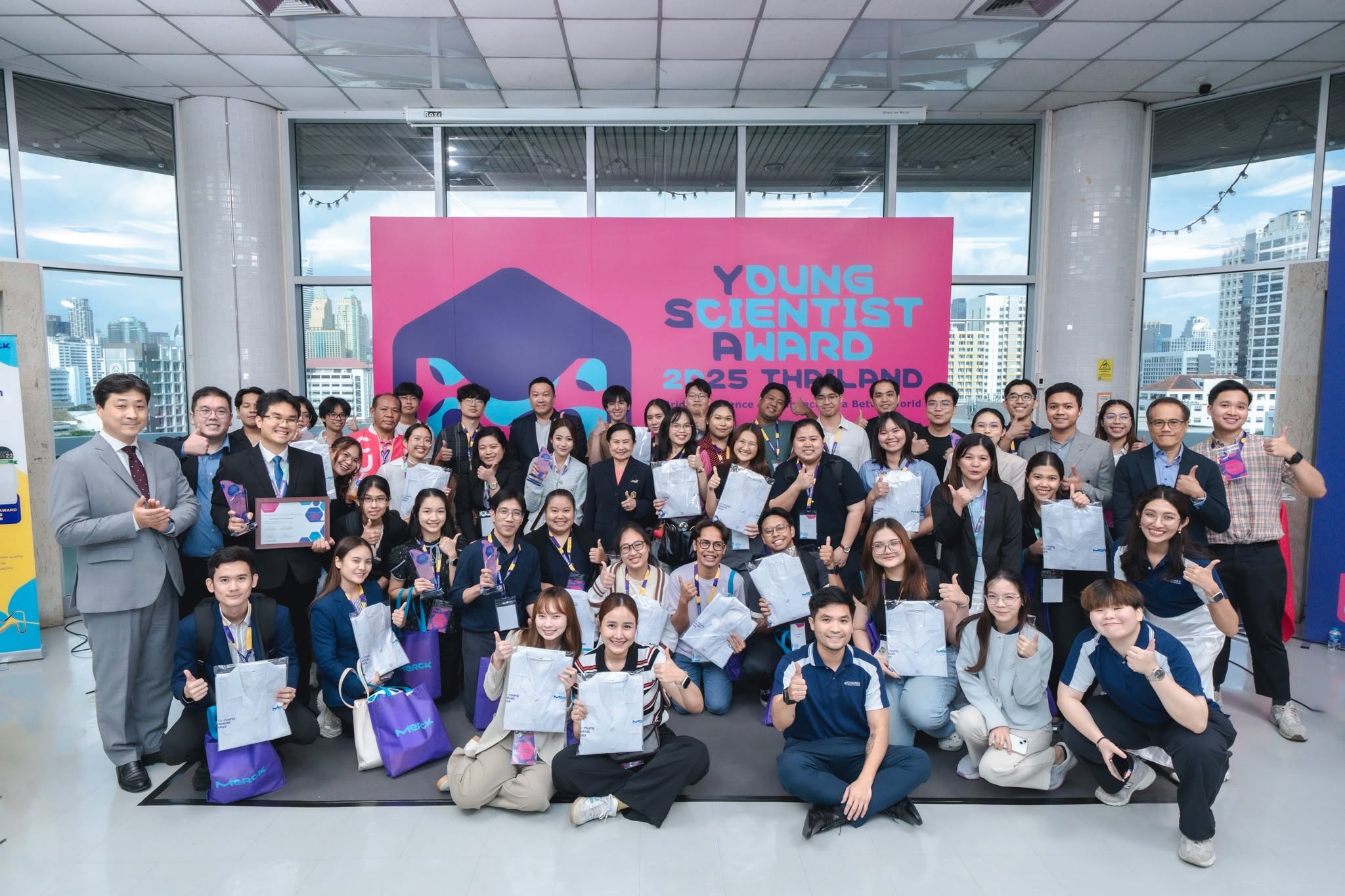
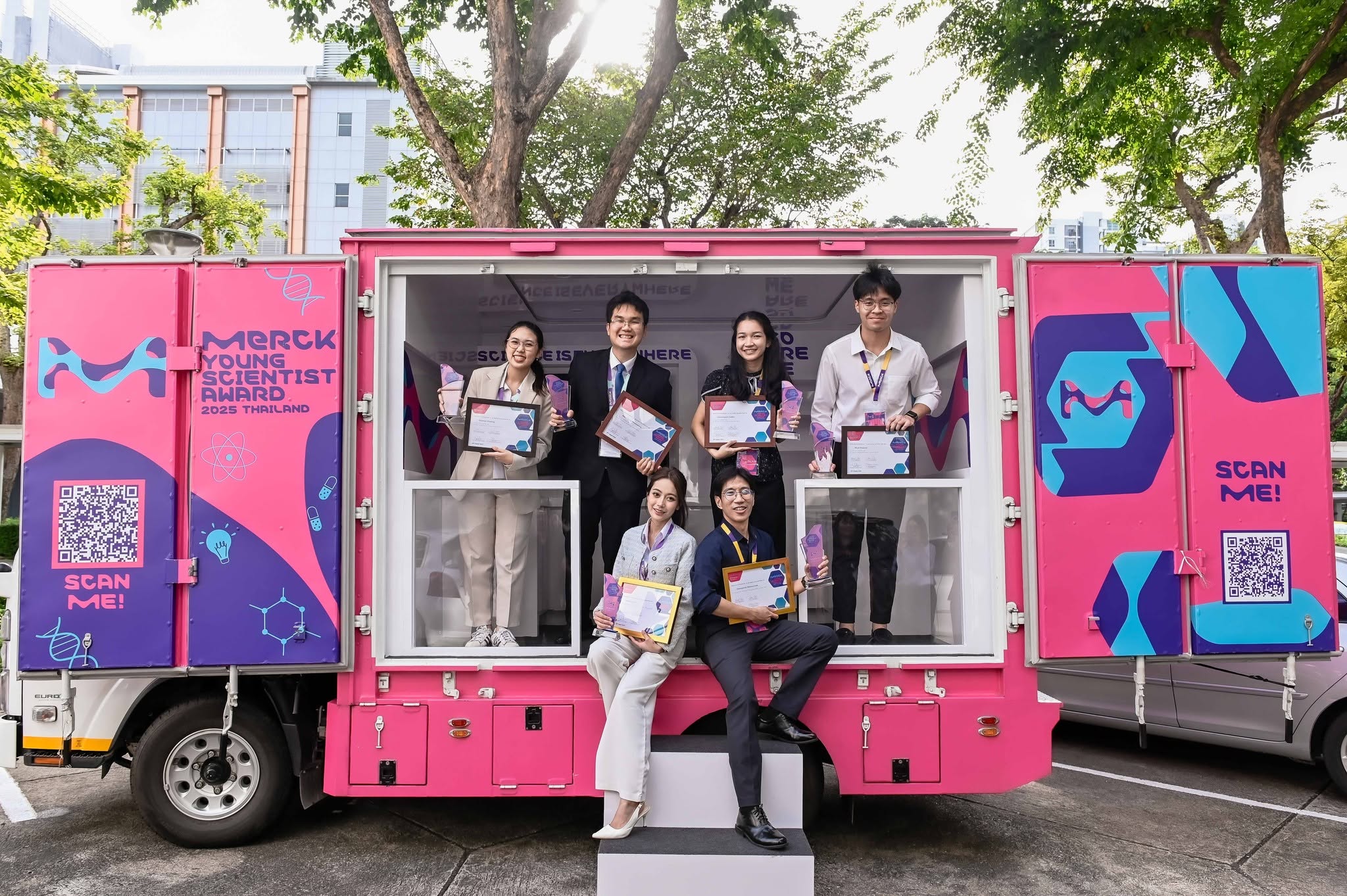
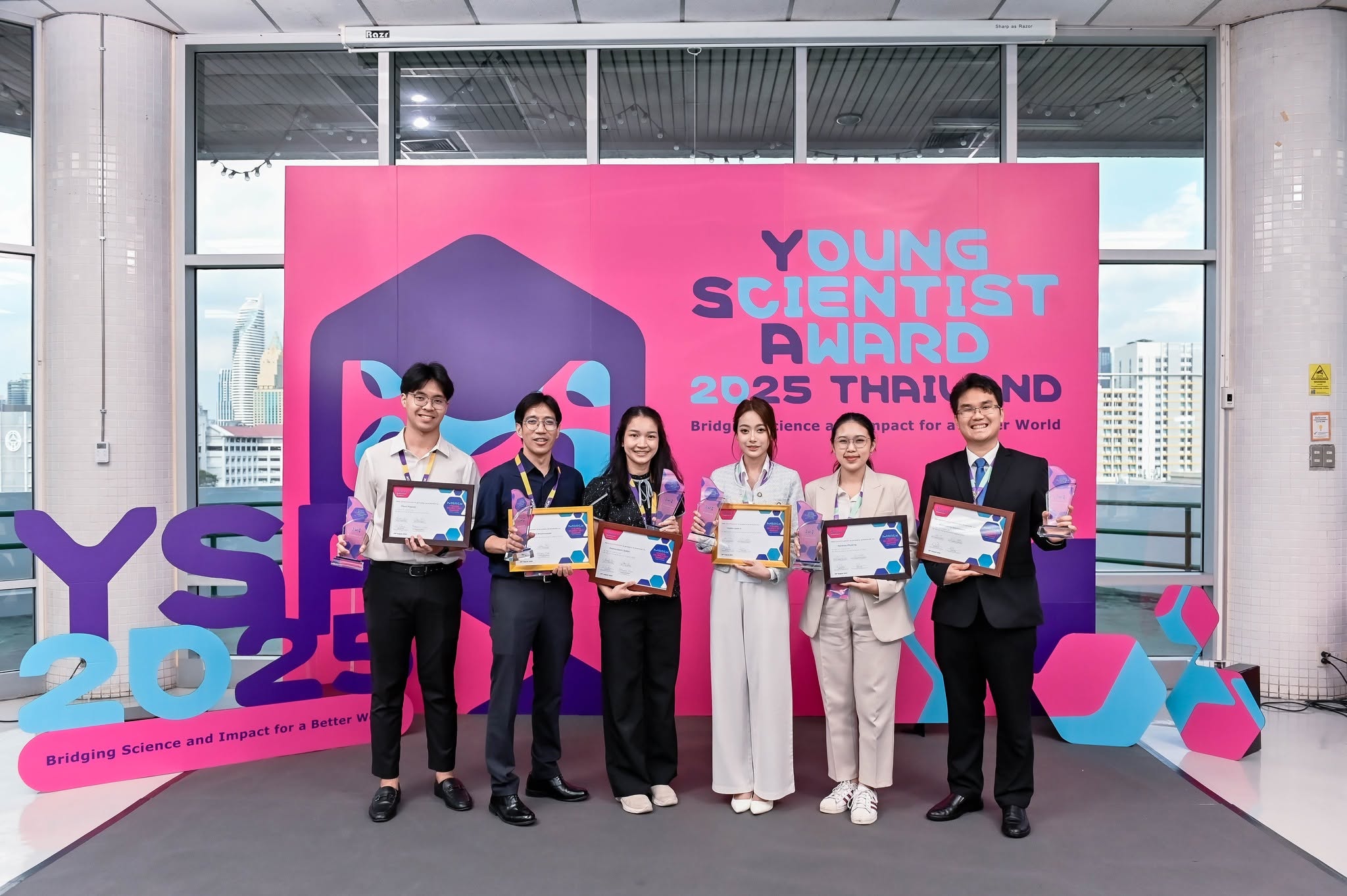
Highlights from the Merck Young Scientist Award 2025 event series, categorized into 4 activity groups.
YSA2025-Overall
YSA2025-truck
YSA2025-Pitching
YSA2025-Awards
Frequently asked questions
Who can apply to YSA2027?
Master's students, Ph.D. students and postdoctoral researchers who graduated within the past 3 years can apply. Applicants must also hold an accepted PACCON2027 abstract.
Which abstract types are accepted?
Poster presentations, oral presentations and proceedings are accepted. The PACCON2027 Organizing Committee must have officially accepted the abstract.
How many finalists are selected?
Merck Thailand and TYCN select 20 finalists in Round 1. Each finalist receives a sponsored 1-year Ordinary Membership to the Chemical Society of Thailand.
How long can the video pitch be?
The video pitch can be up to 5 minutes long. It should show the core essence, value and impact of the research.
What happens in the Flash Talk?
Finalists present for 3 minutes and answer questions for 2 minutes, on site at PACCON2027. The Pitching Award winner gives a 5-minute Special Presentation instead.